
How to Negotiate Benefits in a Job Offer: Health, 401k & Flex Time
Receiving a job offer is an exciting moment, but the conversation isn’t over once you see the salary figure. A comprehensive compensation package includes vital benefits like health insurance, retirement plans, and flexible work arrangements. Learning how to negotiate these benefits effectively can significantly enhance your long-term job satisfaction and financial well-being. This guide will walk you through the key steps to advocate for the benefits you deserve.
Why Benefits Negotiation Matters
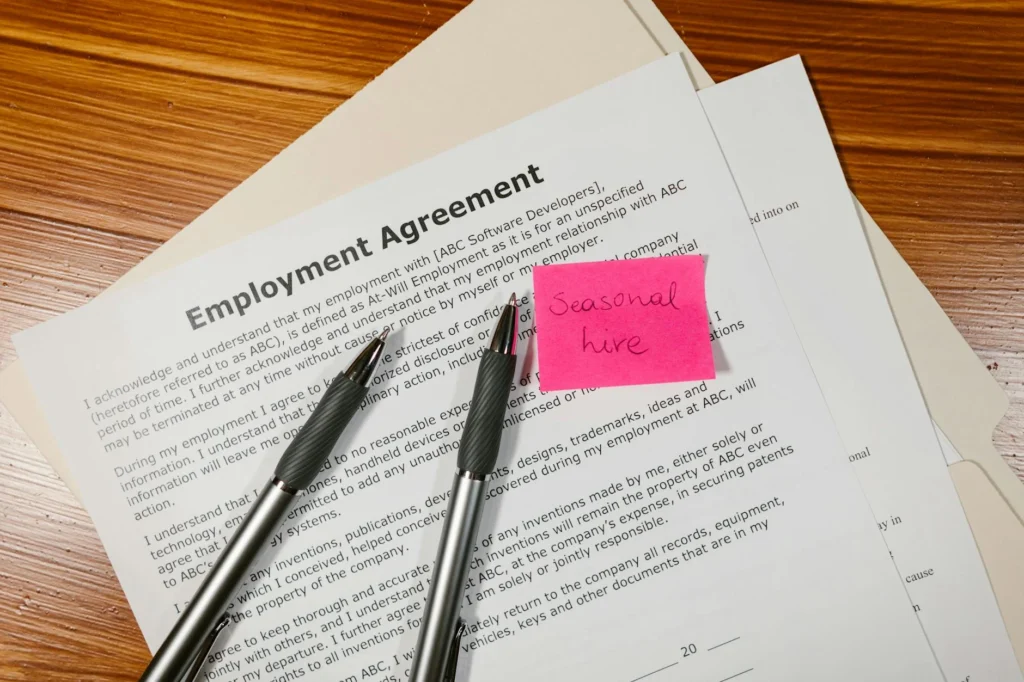
Many candidates focus solely on base salary, overlooking the immense value of a strong benefits package. According to the U.S. Bureau of Labor Statistics, benefits account for nearly 30% of an employee’s total compensation costs for employers. This means that forgoing a discussion on benefits is leaving a substantial part of your potential earnings on the table. A well-negotiated package provides security, improves work-life balance, and contributes directly to your future wealth.
Preparing to Negotiate Your Benefits
Success in negotiation starts long before you get to the bargaining table. Thorough preparation is your greatest asset.
Do Your Research: Understand the standard benefits for your role, industry, and geographic location. Use resources like professional association surveys and reports from credible sources like the Society for Human Resource Management (SHRM) to benchmark what is typical.
Know Your Priorities: Not all benefits will be equally important to you. Rank what matters most, whether it’s a lower health insurance deductible, a higher 401(k) match, or the ability to work remotely two days a week.
Understand the Total Offer: Carefully review the entire offer letter. Calculate the monetary value of the benefits being provided to understand the full picture of your compensation.
Key Benefits to Negotiate and How to Approach Them
1. Health Insurance and Wellness Benefits
Health insurance is often the most valuable benefit after salary. If the offered plan has high deductibles or premiums, it’s reasonable to discuss.
- What to Ask For: You could negotiate for the company to cover a higher percentage of the premium, contribute to a Health Savings Account (HSA), or offer a better plan tier. Also, inquire about additional wellness benefits like dental, vision, or mental health coverage.
- How to Frame It: Approach this collaboratively. You might say, “I am very enthusiastic about joining the team. To help me make the best decision for my family’s well-being, could we discuss the possibility of the company covering a slightly higher portion of the health insurance premium?”
2. Retirement Plans (401k or Similar)
A strong retirement plan is crucial for long-term financial health. The employer match is essentially free money for your future.
- What to Ask For: The most common negotiation point is the employer match. If the standard match is 3%, you could ask if there is flexibility to increase it to 4% or 5%. You can also ask about the vesting schedule or if they offer a one-time “true-up” contribution.
- How to Frame It: Frame your request around your long-term commitment to the company. For example, “I am planning to build my career here long-term and am very focused on securing my financial future. Is there any flexibility in the 401(k) match structure?”
3. Flexible Work Arrangements and Time Off
Flex time and a positive work-life balance are increasingly important. These benefits can greatly reduce stress and improve productivity.
- What to Ask For: This can include negotiating for remote or hybrid work days, flexible daily start and end times, or additional paid time off (PTO) beyond the standard offering.
- How to Frame It: Present flexibility as a tool that will enable you to perform at your best. You could state, “I am highly productive in a flexible work environment. Would the company be open to a hybrid schedule where I work from home two days a week to ensure I can deliver my highest focus and output?”
Effective Negotiation Strategies
- Wait for the Right Time: Always wait until you have a formal written offer in hand before beginning any negotiation.
- Express Enthusiasm: Start the conversation by reiterating your excitement about the role and the company.
- Be Professional and Collaborative: Use “we” language and frame requests as finding a mutually beneficial solution. Avoid making ultimatums.
- Get Everything in Writing: Once an agreement is reached, ensure all negotiated benefits are detailed in your final, signed offer letter.
Partner with Experts for Your Career Journey
Negotiating a job offer requires confidence, preparation, and a clear understanding of your worth. At FSS Recruitment, we empower candidates with more than just job placements. We believe in building futures by ensuring you are equipped for success. Alongside our dedicated recruitment services, we offer accredited training to provide you with the safety and machinery certifications that employers actively seek, making you an even more competitive candidate.
If you are seeking a partner who will treat you with dignity and focus on finding a role tailored to your professional and personal needs, we are here to help.
Let FSS Recruitment guide you to your next opportunity.
- Learn more about our unique candidate-centric philosophy on our About Us page.
- Explore a wide range of current openings on our Jobs Board.
- See how our integrated Services, including recruitment and training, can advance your career.
- For personalized guidance, Book an Appointment with one of our specialists today.
- Visit our main portal at FSS Recruitment to discover all the ways we can support your journey.